Services
Shockwave Therapy in Grand Junction, CO
A non-invasive therapy that delivers acoustic pressure waves into soft tissue, often used for stubborn tendon and attachment-point complaints.
Short answer
A non-invasive therapy that delivers acoustic pressure waves into soft tissue, often used for stubborn tendon and attachment-point complaints.
Overview
What shockwave therapy is
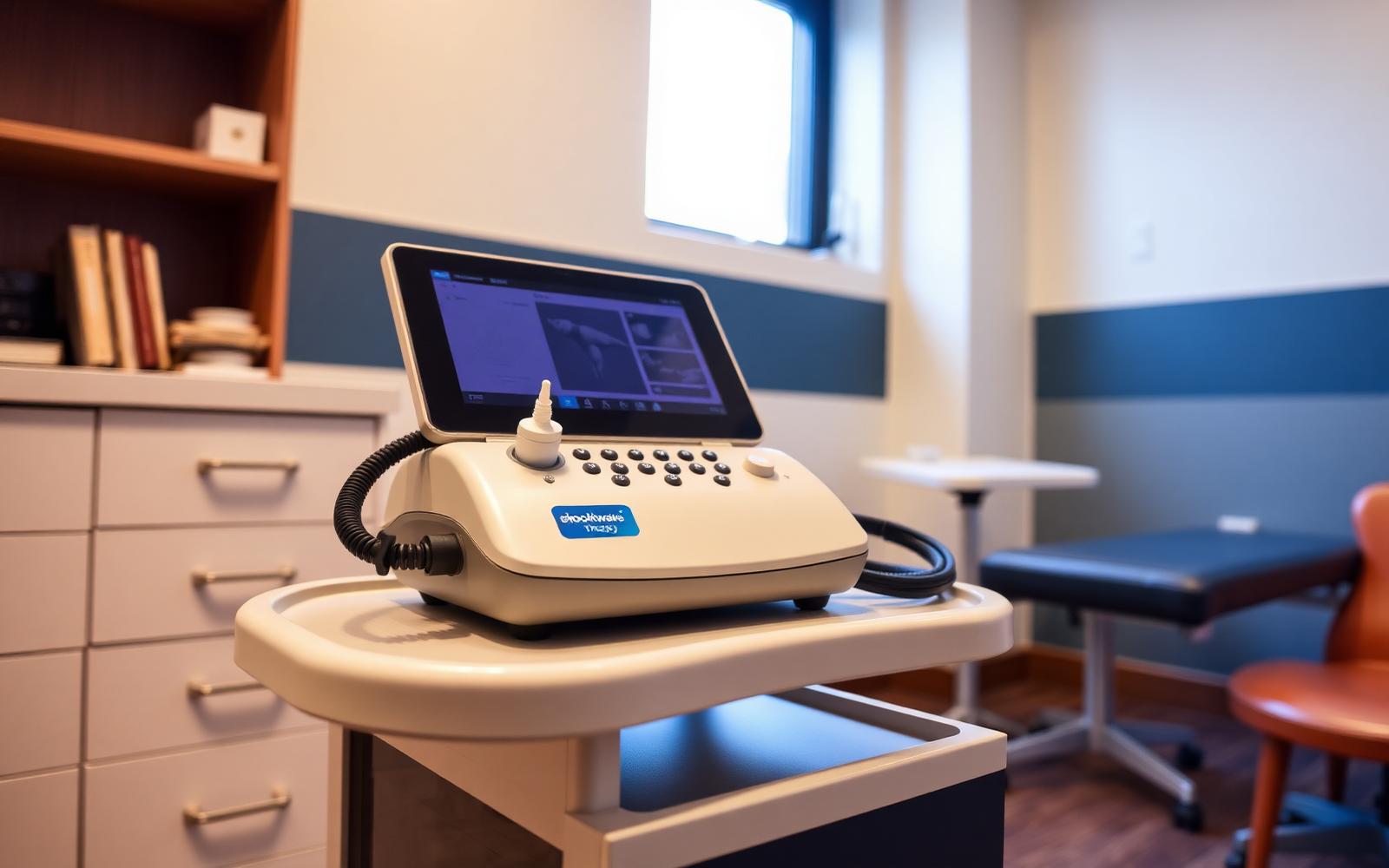
A handheld applicator delivers rapid acoustic pressure waves through the skin into the tissue underneath. The intent is to stimulate local circulation and the body's own repair activity in an area that has stopped progressing on its own.
It is typically considered for complaints that have lingered past the point where rest and activity changes alone were expected to help.
Long-standing tendon problems are often less about inflammation and more about tissue that has quietly stopped remodelling. Rest calms it down, activity stirs it up, and the cycle repeats. Shockwave is used to interrupt that pattern by applying a controlled mechanical stimulus to the exact spot that keeps failing.
It is a course of care, usually spaced across weeks rather than delivered daily, and it is far more effective when paired with the loading exercise that teaches the tendon to tolerate work again.
Type of care
Non-invasive, drug-free, no needles and no incision.
Typical session
A few minutes of treatment per area, plus set-up and assessment.
Usually paired with
Soft tissue work, adjusting, and progressive loading exercise.
Who decides
Recommended only after history and examination rule out reasons to avoid it.
The equipment
How the device delivers the wave
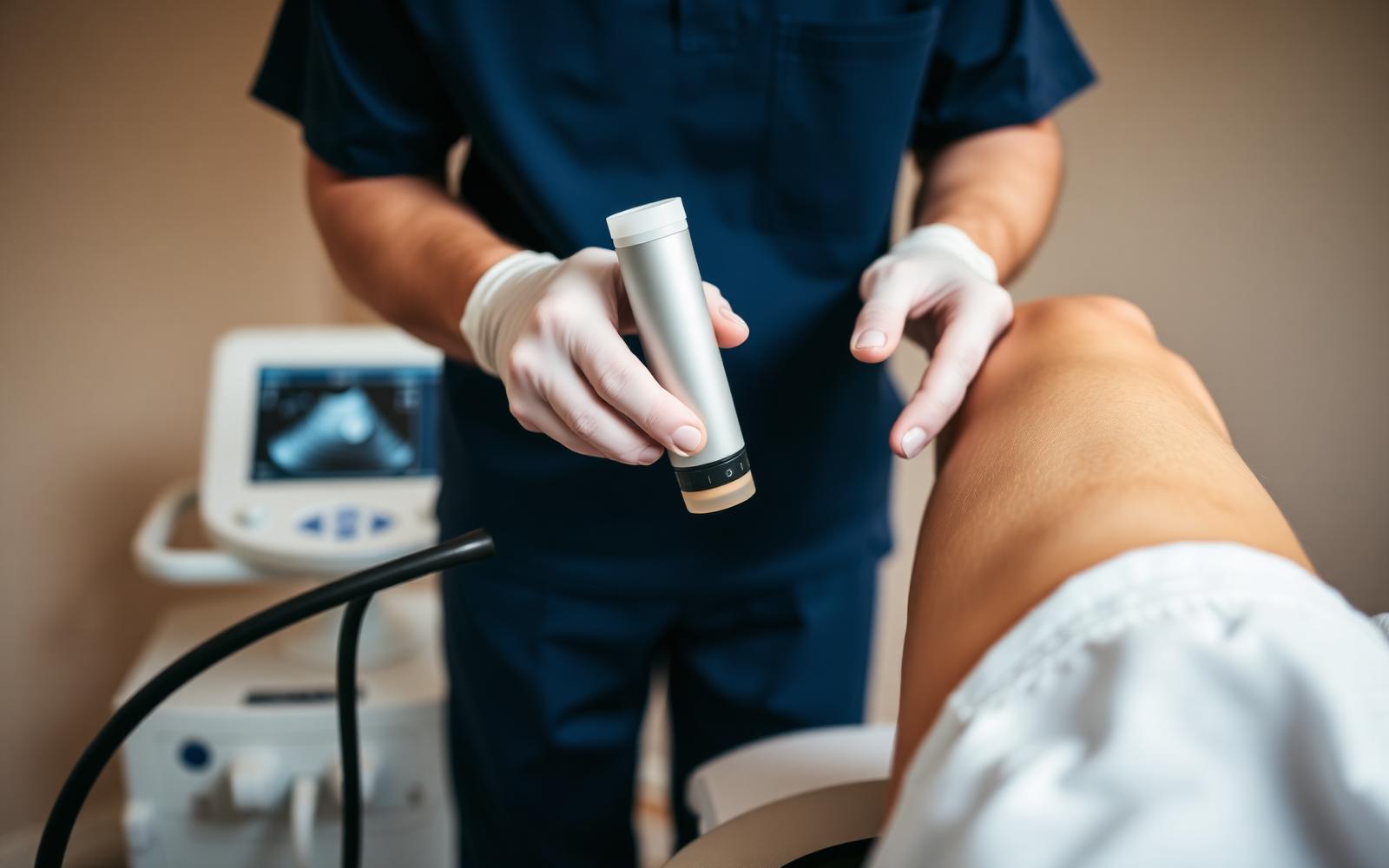
The console generates a pressure wave and sends it down a flexible line to the handpiece. Gel on the skin lets that wave pass into the tissue instead of bouncing off the surface.
Energy level, frequency, and the number of pulses are set on the console. They start conservative and are raised only as far as you can comfortably tolerate, which is why your feedback during the session matters.
Who it may suit
Concerns this is commonly considered for
Suitability is decided after your consultation and examination, not from a list.
Plantar foot pain
Tennis and golfer's elbow
Achilles and calf complaints
Shoulder tendon irritation
Chronic trigger points
Before treatment
What is checked before shockwave is recommended
The exam identifies the exact structure producing your symptoms, tests how it behaves under load, and separates a tendon problem from a nerve, joint, or referred source that shockwave would not help.
Your history is reviewed for the conditions and medications that make this therapy inappropriate. Where the picture is unclear, imaging or a medical opinion is recommended before treatment.
In the room
What a session involves
Locating the area
The tender area is identified by examination, and gel is applied so the waves transmit into the tissue.
Applying the waves
The applicator is moved over the area for a few minutes while intensity is adjusted to what you can tolerate comfortably.
Afterward
You can usually return to your day. Some tenderness in the treated area for a day or two is common.
Part of a plan
What this is usually combined with
Single therapies rarely carry a case on their own. This is how the pieces fit together.
Progressive loading
Tendons respond to graded work. Shockwave without loading tends to give short-lived change.
Massage and soft tissue work
Reduces the surrounding tension that keeps overloading the attachment point.
Chiropractic adjusting
Addresses the joint restrictions above and below that are changing how the area is loaded.
Activity and footwear guidance
Practical changes to training volume, surfaces, and footwear where those are part of the cause.
Comfort
What it feels like
You will feel a rapid tapping and often some tenderness while the area is treated. Intensity is adjusted to you, tell us if it becomes sharp rather than firm.
If you are uncomfortable with any part of the treatment, say so. Alternatives can be discussed, and nothing is applied that you have not agreed to.
Honest limits
When this is not the right choice
General reasons this may be set aside. Your own history and examination decide the answer.
Pregnancy
Treatment over open growth plates in children
Blood clotting disorders or anticoagulant medication, depending on the case
Acute infection or an open wound in the area
Treatment directly over a tumour or major nerve or vessel
In the office
Where this happens
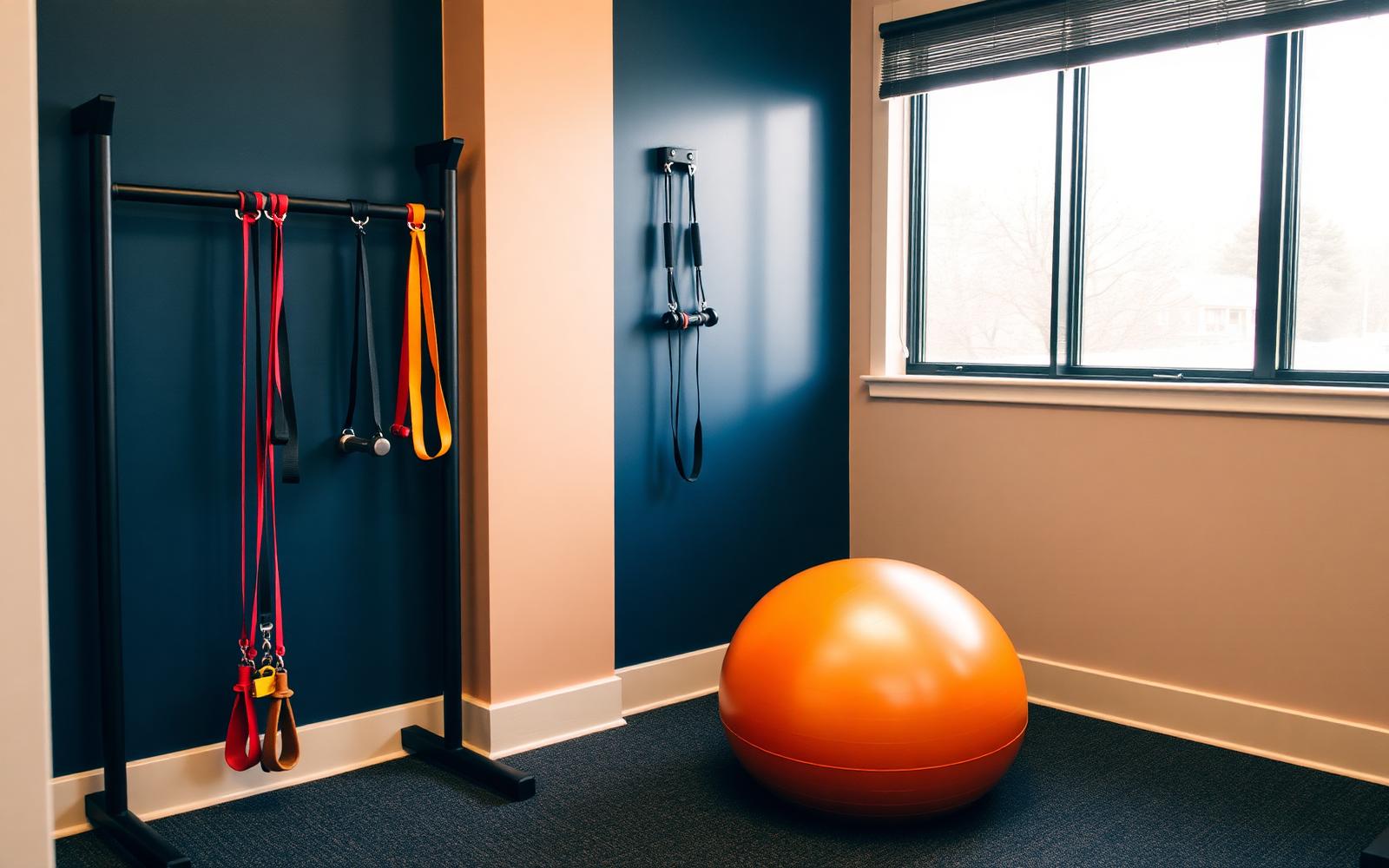
Loading work is planned alongside the treatment course.
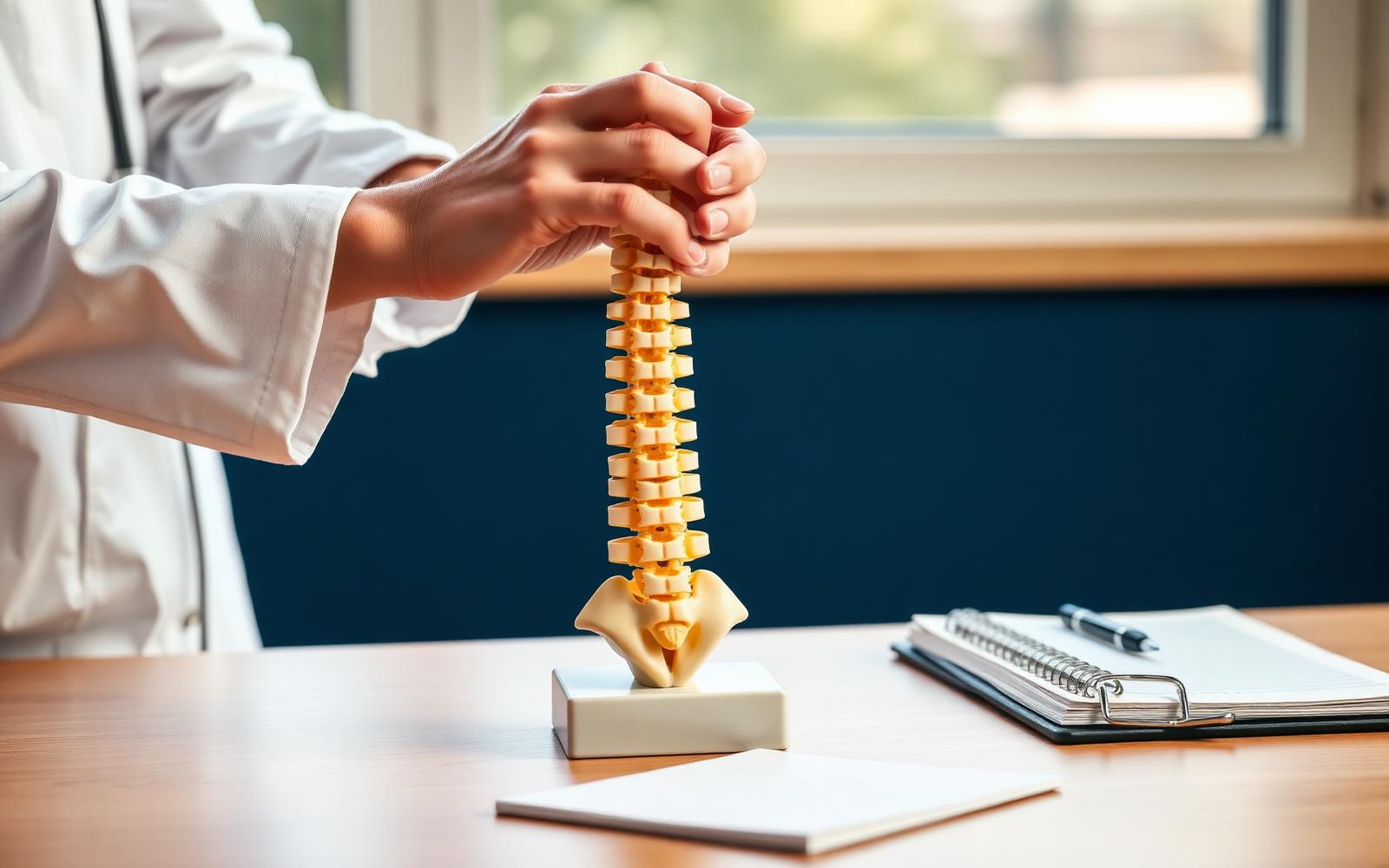
The tender structure is located by hand before any device is used.
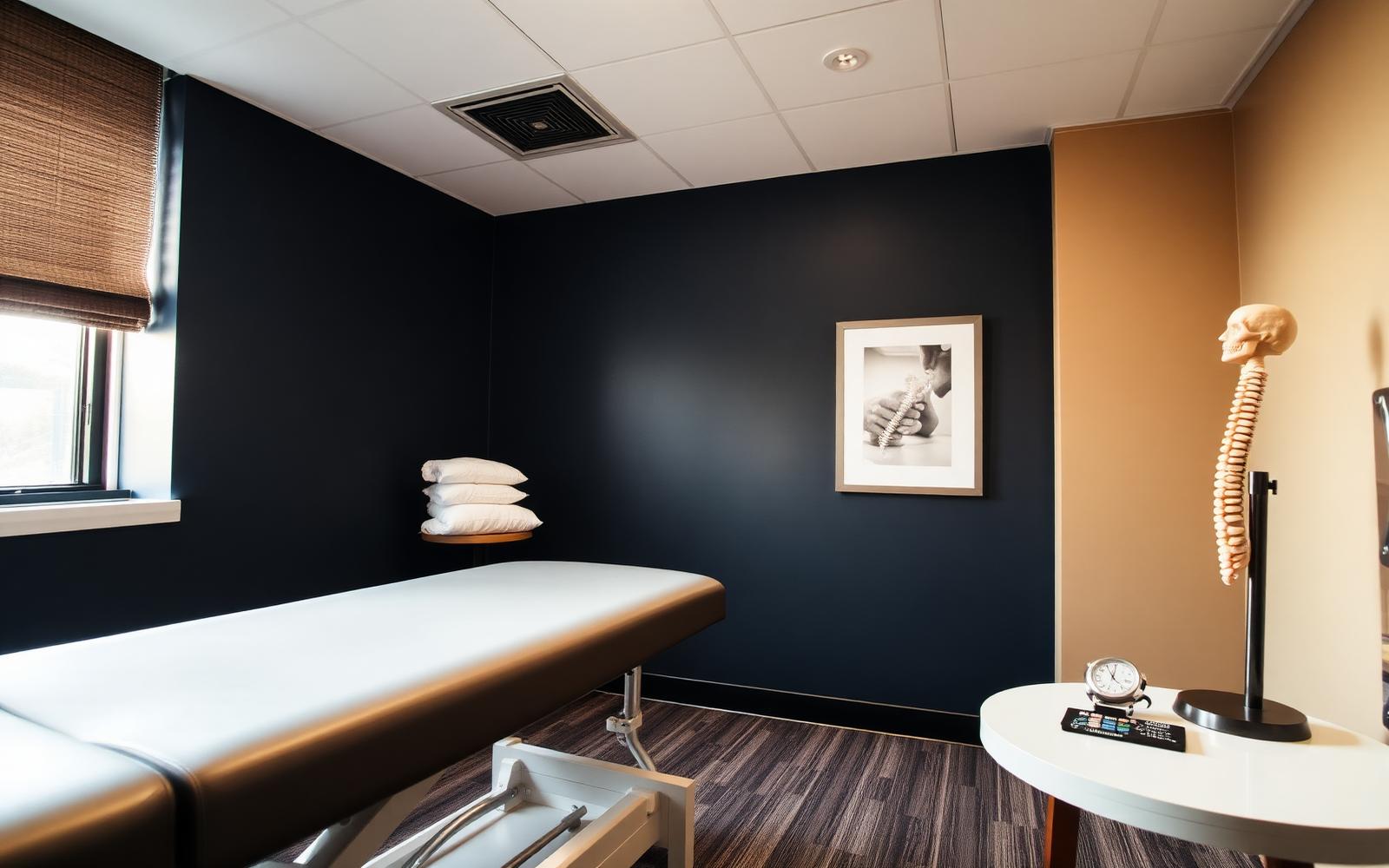
Sessions are short and you return to your day afterward.

Meet your chiropractor
Meet Dr. Dean Younker
Dr. Dean Younker took over Peak Performance in 1997 and has cared for patients in Grand Junction ever since. He earned a Bachelor of Science from the University of Northern Colorado and his Doctor of Chiropractic degree from Cleveland University in Kansas City. He is a member of the Colorado Chiropractic Association and the Grand Junction Chiropractor Association.
“Because no two patients are the same, here at Peak Performance, we take the time to listen to each patient. We then develop a personalized treatment plan. Our promise is to help you live your life better.”
FAQ
Common Questions
Does shockwave therapy hurt?
It is usually described as intense but tolerable, and the intensity is adjusted during the session.
Is there downtime?
Most people carry on normally afterward. Hard training on the treated area is usually best delayed for a day or two.
Who should avoid it?
It is not appropriate over certain conditions, including some circulatory disorders, acute infections, and during pregnancy. Your history is reviewed first.
How many sessions are typical?
Shockwave is usually delivered as a short course spaced over several weeks, with a review built in. The number is discussed after your examination.
Do I need gel on the skin?
Yes. Gel lets the acoustic wave pass into the tissue. It wipes off at the end of the session.
Can I train between sessions?
Usually yes, with guidance. Loading the tissue in a controlled way is part of why the therapy is used, but hard work on the treated area right afterward is discouraged.
Related Pages
Medical disclaimer
This page is educational and is not a substitute for professional medical advice, diagnosis, or treatment. Results vary from person to person and no outcome is guaranteed. Always speak with a qualified provider about your own situation, and call 911 for a medical emergency.
Next step
You Don't Have to Keep Planning Your Life Around Pain.
If pain is affecting the way you sleep, work, exercise, travel, or spend time with the people you love, it is worth finding out what is going on. Let's start with a conversation.
Engage With Your Life Again.