Services
Peripheral Neuropathy Care in Grand Junction, CO
Numbness, tingling, and burning in the hands or feet have many possible causes. The first job is working out which ones apply to you.
Short answer
Numbness, tingling, and burning in the hands or feet have many possible causes. The first job is working out which ones apply to you.
Overview
What peripheral neuropathy care involves
Peripheral neuropathy is a symptom pattern, not a single diagnosis. It can come from nerve irritation in the spine, from metabolic conditions such as diabetes, from medication, and from other causes that need medical management.
Care here starts with sorting out what is contributing. Where spinal or joint irritation is part of the picture, conservative care may help. Where it is not, you will be told so and pointed toward the right kind of evaluation.
The pattern of your symptoms carries information. Numbness in both feet that crept up over years suggests something different from tingling down one leg that started after lifting. Which nerves are involved, and where they are being irritated, changes what is worth trying.
Where conservative care does have a role, it is usually about reducing mechanical irritation along the nerve path, supporting circulation to the area, and keeping you moving. Progress with nerve tissue is gradual, and honest expectations are part of the plan.
First step
History and examination to work out what is actually driving the symptoms.
In-office therapies
Cold laser, adjusting, and soft tissue work where the findings support them.
Timeframe
Nerve symptoms typically change gradually, with review points built into the plan.
Boundaries
Care here does not replace medical management of diabetes or medication review.
The equipment
What in-office therapy looks like
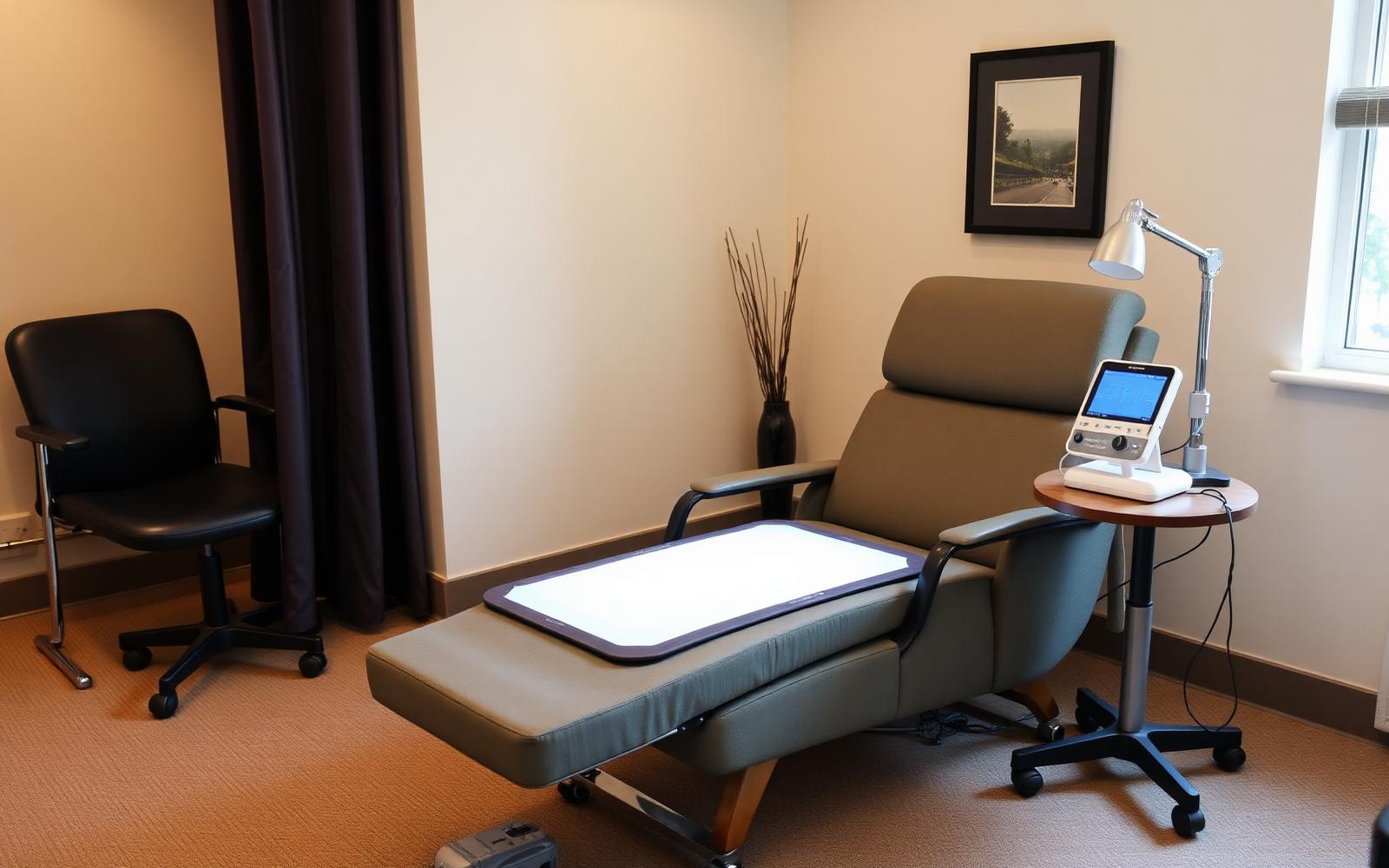
Sessions are unhurried. You sit or recline while therapy is applied to the hands, feet, or the region of the spine the examination pointed to, and there is nothing sharp or forceful involved.
Cold laser is the therapy most often used for nerve-related symptoms because it is painless and comfortable on sensitive skin. It is applied alongside the rest of the plan rather than as a stand-alone answer.
Who it may suit
Concerns this is commonly considered for
Suitability is decided after your consultation and examination, not from a list.
Numbness in the hands or feet
Tingling or pins and needles
Burning discomfort at night
Nerve symptoms after an injury
Symptoms linked to the neck or low back
Before treatment
Sorting out what is contributing
Sensation, reflexes, strength, and spinal function are tested, and your medications and medical conditions are reviewed carefully, because both are common contributors to neuropathy.
If the picture points to a metabolic, medication-related, or other medical cause, the honest recommendation is medical evaluation. Conservative care is offered where the findings support it, not to fill the gap.
In the room
What a session involves
History first
Onset, pattern, medications, and medical conditions are reviewed, because they determine whether conservative care is appropriate at all.
Examination
Sensation, reflexes, and spinal function are checked to see whether the symptoms trace to a treatable source.
A plan or a referral
If chiropractic care fits, a plan is discussed. If your findings call for medical evaluation, that is the recommendation you will get.
Part of a plan
What this is usually combined with
Single therapies rarely carry a case on their own. This is how the pieces fit together.
Cold laser therapy
A comfortable, drug-free option used for nerve-related symptoms in the hands and feet.
Chiropractic care
Where neck or low back irritation is contributing to the symptom pattern.
Nutritional discussion
Diet and general health influence nerve health, and can be discussed within the scope of this office.
Coordination with your physician
Neuropathy often has a medical component that should keep being managed medically.
Comfort
What it feels like
In-office therapies used for nerve-related symptoms, such as cold laser, are painless. Progress with nerve symptoms is typically gradual rather than immediate.
If you are uncomfortable with any part of the treatment, say so. Alternatives can be discussed, and nothing is applied that you have not agreed to.
Honest limits
When this is not the right choice
General reasons this may be set aside. Your own history and examination decide the answer.
Rapidly worsening weakness or numbness, which needs urgent medical attention
Loss of bladder or bowel control, which is an emergency
Symptoms clearly explained by an unmanaged medical condition, which should be addressed first
Replacing prescribed medication or medical follow-up
In the office
Where this happens
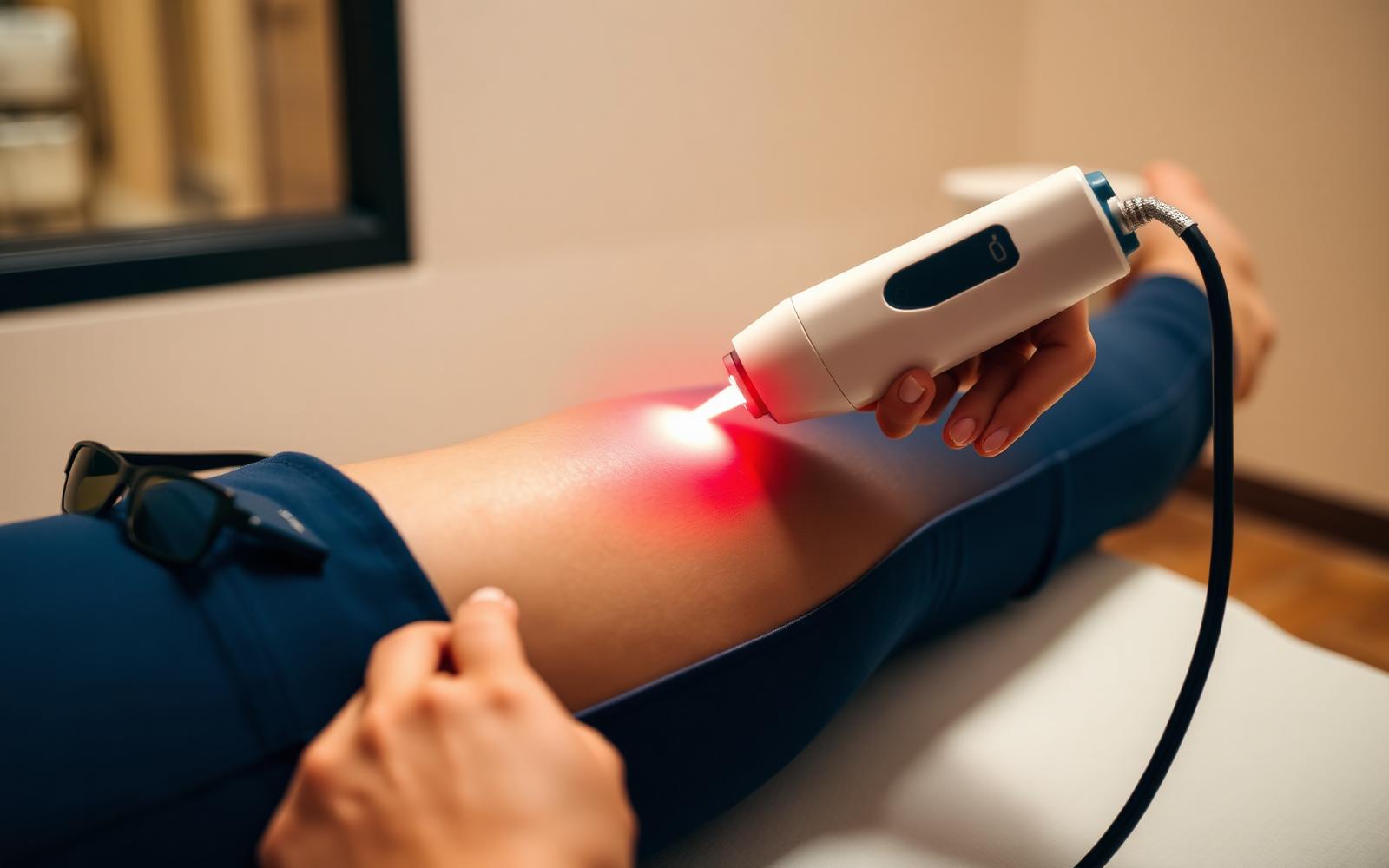
Cold laser is painless and comfortable on sensitive areas.

History matters as much as examination with nerve symptoms.
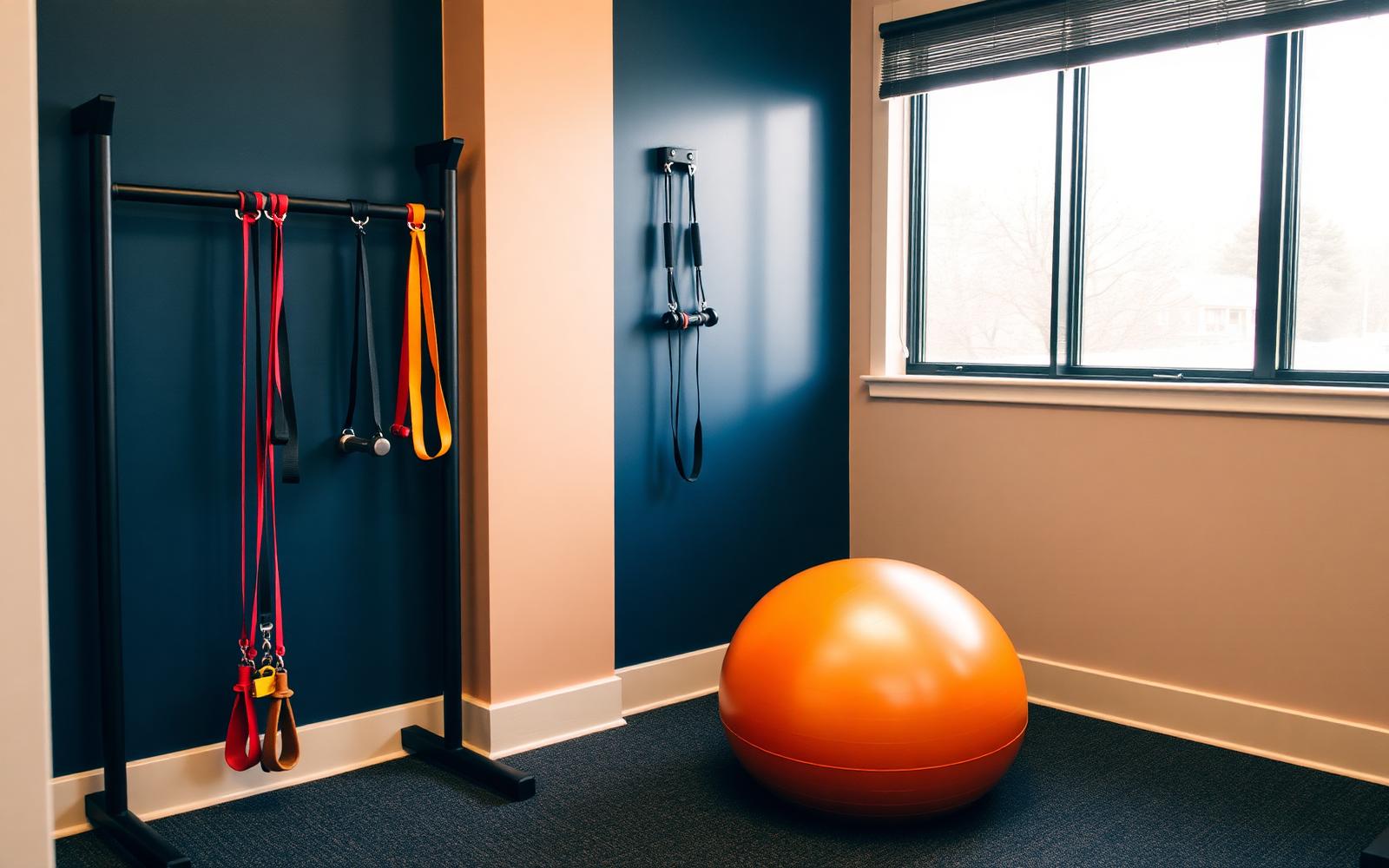
Staying mobile is part of managing nerve symptoms.

Meet your chiropractor
Meet Dr. Dean Younker
Dr. Dean Younker took over Peak Performance in 1997 and has cared for patients in Grand Junction ever since. He earned a Bachelor of Science from the University of Northern Colorado and his Doctor of Chiropractic degree from Cleveland University in Kansas City. He is a member of the Colorado Chiropractic Association and the Grand Junction Chiropractor Association.
“Because no two patients are the same, here at Peak Performance, we take the time to listen to each patient. We then develop a personalized treatment plan. Our promise is to help you live your life better.”
FAQ
Common Questions
Can chiropractic cure neuropathy?
No responsible provider should promise that. Care is aimed at addressing contributing factors that fall within its scope and at supporting comfort and function.
Should I keep seeing my medical doctor?
Yes. Neuropathy often has a medical component, and you should never stop prescribed treatment without speaking to the prescriber.
What if my symptoms are getting worse quickly?
Rapidly worsening weakness, numbness, or loss of bladder or bowel control needs urgent medical attention, not an appointment next week.
How long before I notice a difference?
Nerve tissue changes slowly. Plans include a review point so progress can be judged honestly rather than assumed.
Is the in-office therapy uncomfortable?
No. Cold laser is painless, and treatment is adjusted for skin that has become sensitive.
What can I do at home?
Daily foot checks, sensible footwear, regular gentle movement, and following your physician's guidance on any underlying condition.
Related Pages
Medical disclaimer
This page is educational and is not a substitute for professional medical advice, diagnosis, or treatment. Results vary from person to person and no outcome is guaranteed. Always speak with a qualified provider about your own situation, and call 911 for a medical emergency.
Next step
You Don't Have to Keep Planning Your Life Around Pain.
If pain is affecting the way you sleep, work, exercise, travel, or spend time with the people you love, it is worth finding out what is going on. Let's start with a conversation.
Engage With Your Life Again.