Services
Dry Needling in Grand Junction, CO
A focused soft tissue technique that uses a thin, sterile, single-use needle to release tight bands of muscle and trigger points.
Short answer
A focused soft tissue technique that uses a thin, sterile, single-use needle to release tight bands of muscle and trigger points.
Overview
What dry needling is
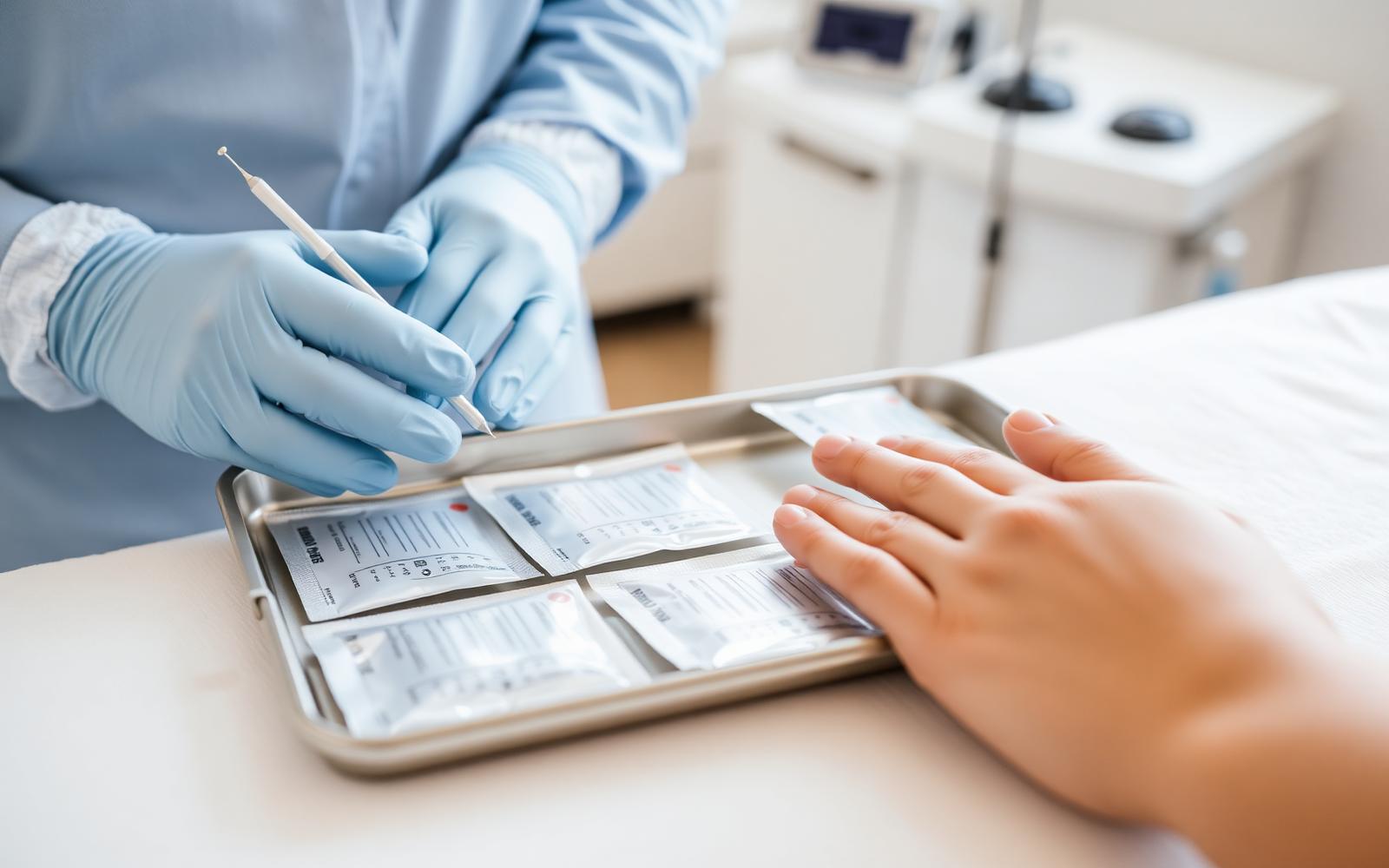
A very thin filament needle is placed into a taut band of muscle or a trigger point. Nothing is injected, the needle itself is the treatment, which is where the name comes from.
It is not acupuncture. The reasoning is based on muscle and nervous system anatomy rather than traditional meridian theory, and the goal is a specific, local change in a muscle that will not release on its own.
A trigger point is a small, irritable section of muscle that stays contracted even at rest. It can be tender locally and can refer discomfort somewhere else entirely, which is why a shoulder blade point can be part of a headache pattern.
Because the needle reaches tissue that hands cannot isolate, needling is often used where massage and stretching have helped but not held. It is optional care, and other soft tissue approaches are available if you would rather not have needles used.
Type of care
Sterile single-use needles. Nothing is injected.
Typical session
Short. Often added within a wider treatment visit.
Usually paired with
Massage therapy, adjusting, and stretching or loading work.
Who decides
Offered after examination, and always with your consent.
The equipment
The needles and how they are handled
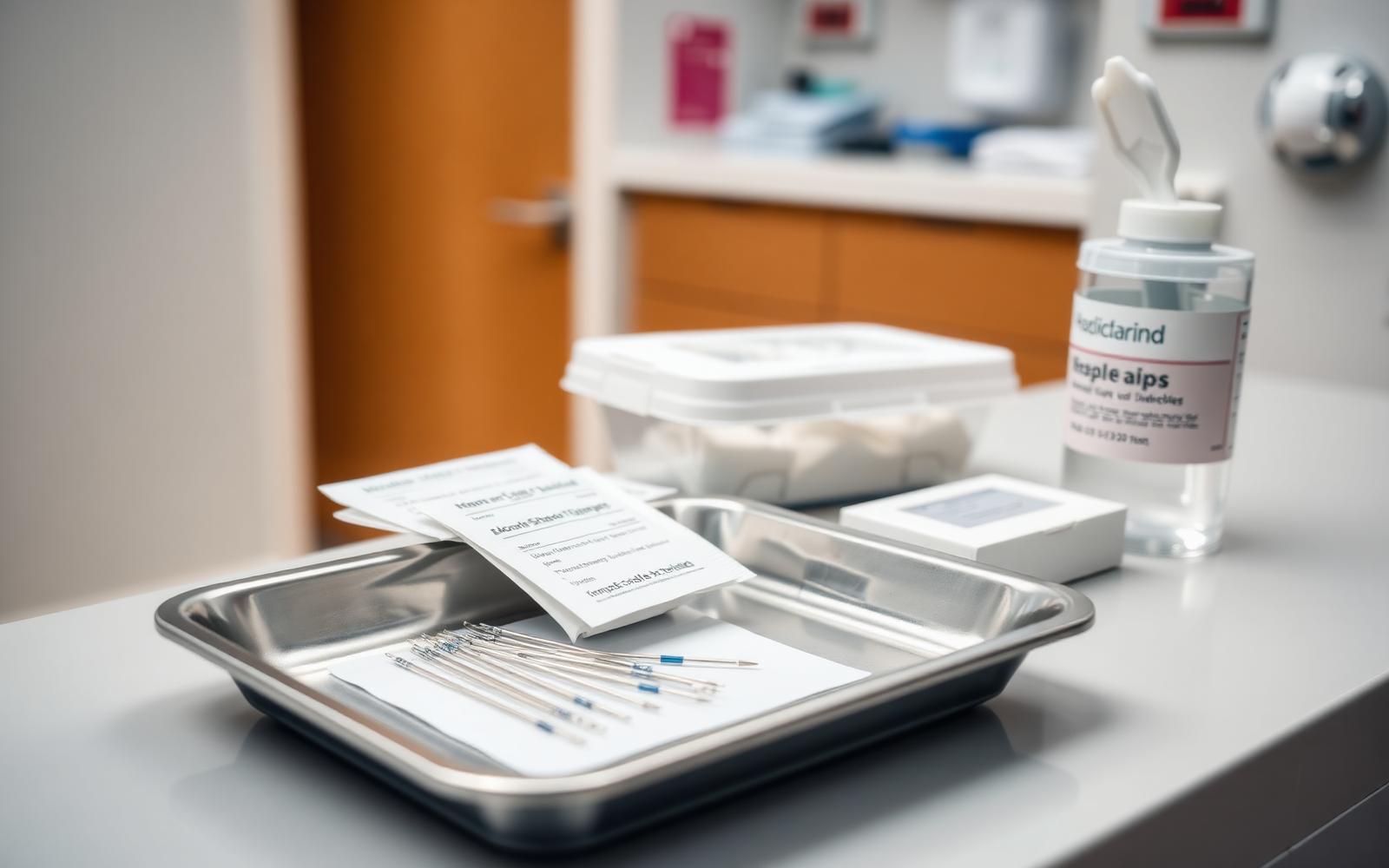
The needles are filament needles: solid, extremely thin, and nothing like the hollow needles used for injections or blood draws. Most people barely register the insertion.
Every needle comes from a sealed sterile package, is used once, and goes straight into a sharps container. The skin is cleaned first and the number of needles is kept to what the examination justifies.
Who it may suit
Concerns this is commonly considered for
Suitability is decided after your consultation and examination, not from a list.
Persistent muscle knots
Neck and shoulder tension
Hip and glute tightness
Referred pain from trigger points
Restricted movement from guarding
Before treatment
Finding the right point matters more than the needle
The muscle is examined by hand until a taut band is found that reproduces the symptom pattern you came in with. If pressing it does not recreate your complaint, it is not the point worth treating.
Your history is also reviewed for bleeding disorders, anticoagulant use, needle phobia, and other reasons to choose a different approach.
In the room
What a session involves
Finding the point
The muscle is examined by hand to locate the taut band or trigger point that reproduces your symptoms.
Needle placement
A sterile single-use needle is inserted. You may feel a brief twitch or cramp as the muscle responds.
Aftercare
The needle is disposed of immediately. Gentle movement, hydration, and heat are commonly suggested afterward.
Part of a plan
What this is usually combined with
Single therapies rarely carry a case on their own. This is how the pieces fit together.
Massage therapy
Broader tension work around an area that needling has released more specifically.
Chiropractic adjusting
Joints and muscles influence each other, so treating one and ignoring the other rarely holds.
Stretch and strength work
Simple home work so the muscle has a reason to stay lengthened between visits.
Heat and hydration
Straightforward aftercare that reduces the post-treatment soreness most people notice.
Comfort
What it feels like
The needle insertion is usually barely felt. The muscle twitch can feel like a deep cramp for a second. Soreness like after a workout for a day is common.
If you are uncomfortable with any part of the treatment, say so. Alternatives can be discussed, and nothing is applied that you have not agreed to.
Honest limits
When this is not the right choice
General reasons this may be set aside. Your own history and examination decide the answer.
Bleeding disorders, or anticoagulant use depending on the case
Local infection, open wound, or active skin condition over the site
Significant needle phobia, where other approaches are used instead
Lymphoedema in the limb being considered
Pregnancy, where certain sites are avoided
In the office
Where this happens

Needling is usually one part of a longer treatment visit.
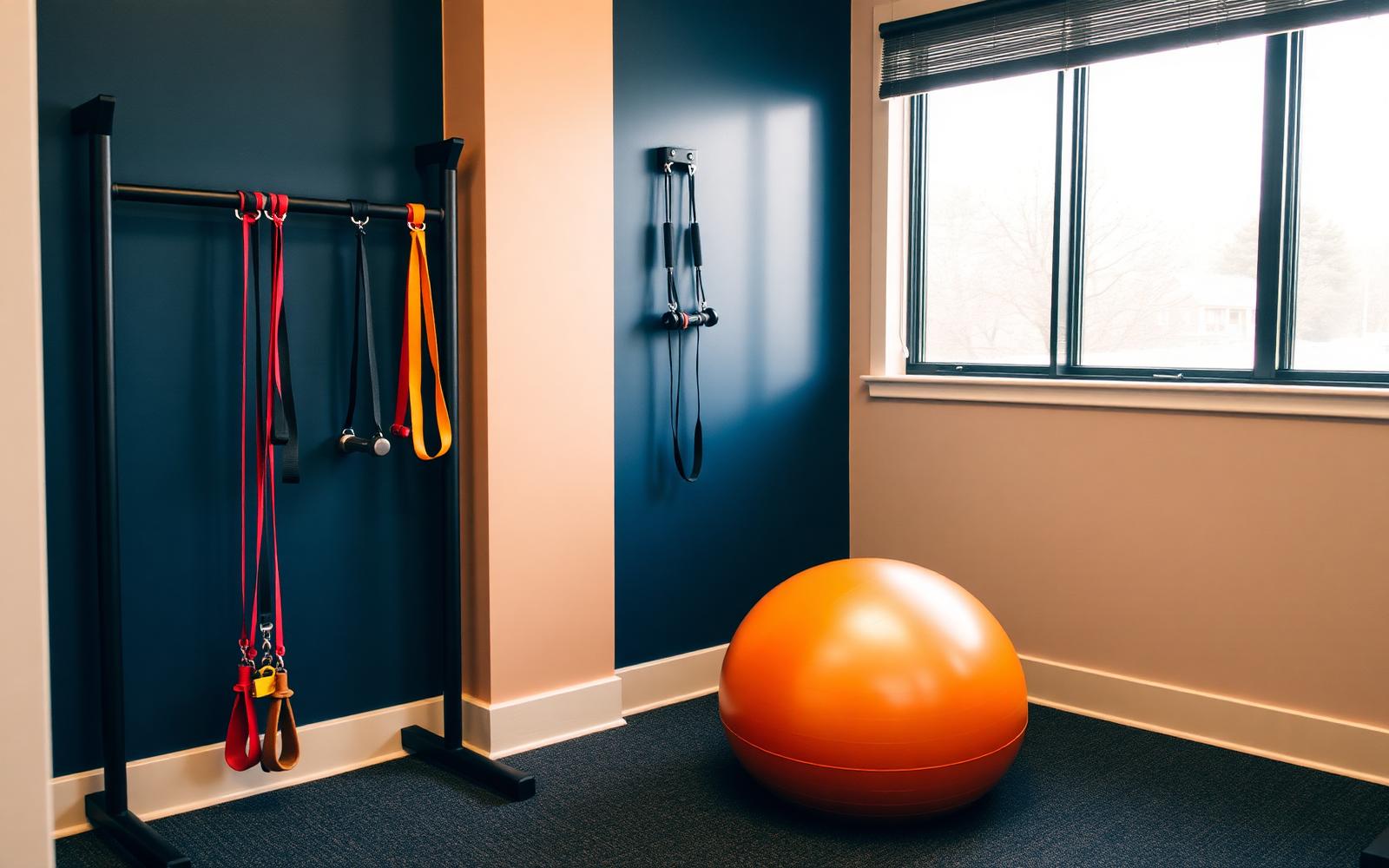
Home stretch work keeps the release from fading.
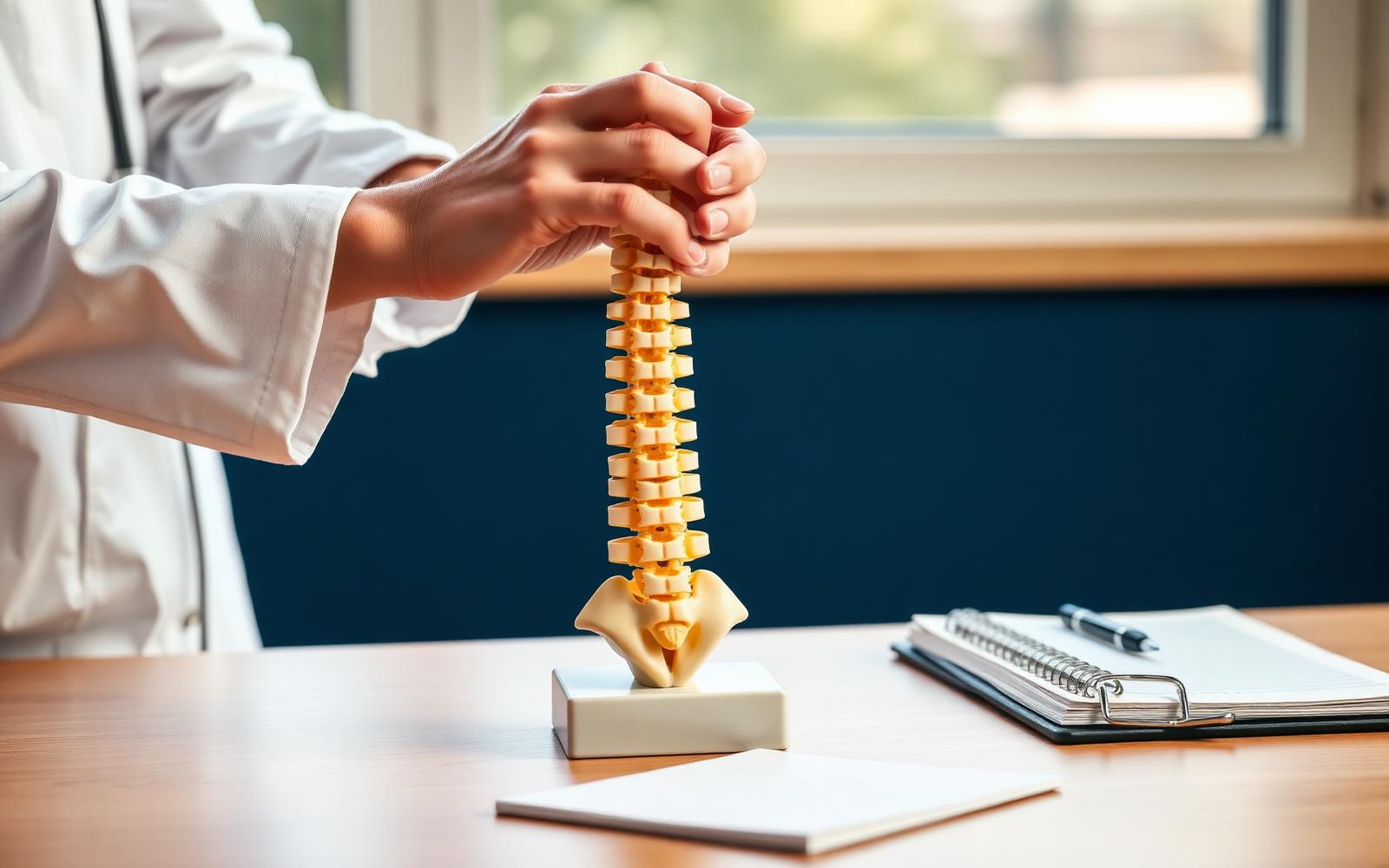
Referral patterns are explained before treatment begins.

Meet your chiropractor
Meet Dr. Dean Younker
Dr. Dean Younker took over Peak Performance in 1997 and has cared for patients in Grand Junction ever since. He earned a Bachelor of Science from the University of Northern Colorado and his Doctor of Chiropractic degree from Cleveland University in Kansas City. He is a member of the Colorado Chiropractic Association and the Grand Junction Chiropractor Association.
“Because no two patients are the same, here at Peak Performance, we take the time to listen to each patient. We then develop a personalized treatment plan. Our promise is to help you live your life better.”
FAQ
Common Questions
Is dry needling the same as acupuncture?
No. The tool is similar but the reasoning is different, dry needling targets muscle trigger points identified by examination.
Are the needles reused?
Never. Needles are sterile, single-use, and disposed of in a sharps container immediately after treatment.
Can I decline it?
Of course. It is optional, and other soft tissue approaches such as massage therapy are available.
Does it hurt?
The insertion is usually barely noticeable. The twitch response can feel like a brief deep cramp, and post-treatment soreness like after a workout is common for a day.
What should I do afterward?
Move gently, drink water, and use heat on the area if it feels sore. Heavy training on the treated muscle the same day is usually best avoided.
How soon will I notice a change?
Some people feel looser the same day, others after the initial soreness settles. If two or three sessions produce nothing, the approach is changed.
Related Pages
Medical disclaimer
This page is educational and is not a substitute for professional medical advice, diagnosis, or treatment. Results vary from person to person and no outcome is guaranteed. Always speak with a qualified provider about your own situation, and call 911 for a medical emergency.
Next step
You Don't Have to Keep Planning Your Life Around Pain.
If pain is affecting the way you sleep, work, exercise, travel, or spend time with the people you love, it is worth finding out what is going on. Let's start with a conversation.
Engage With Your Life Again.