Services
Spinal Decompression Therapy in Grand Junction, CO
A non-surgical, table-assisted therapy that uses gentle, controlled traction to reduce pressure on the discs and joints of the spine.
Short answer
A non-surgical, table-assisted therapy that uses gentle, controlled traction to reduce pressure on the discs and joints of the spine.
Overview
What spinal decompression is
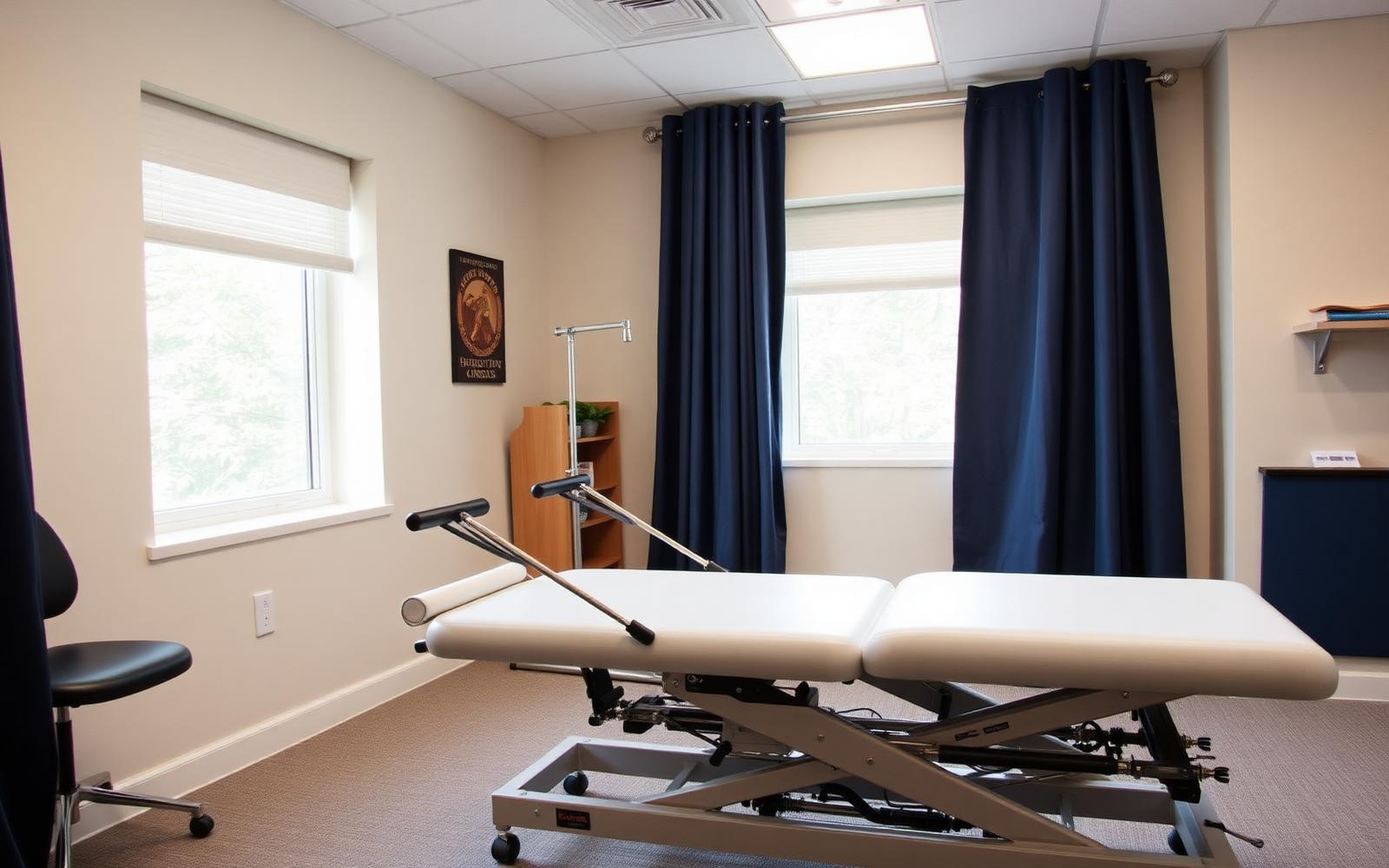
Decompression therapy uses a motorized or table-assisted traction cycle to gently separate the vertebrae, easing pressure on the disc and the structures around it. There is no incision, no injection, and no medication involved.
It is a conservative option, which means it is generally considered before more invasive routes, not after every other option is gone. Whether it is right for you depends on what the examination and, when indicated, imaging show.
The reasoning is mechanical. A disc sits between two vertebrae and behaves like a pressurised cushion. When the joint above and below stays compressed, whether from sitting, an old injury, or years of loading, the disc has little chance to change shape. Cycling the load on and off gives the segment a chance to move without you having to brace against gravity.
Decompression is a course of care rather than a single event, and it works best when the rest of the plan supports it. Muscles that have been guarding for months do not stop guarding because one session went well.
Type of care
Non-surgical, drug-free, applied on a treatment table.
Typical session
You stay clothed and lie still. Ask the office to confirm timing for your plan.
Usually paired with
Chiropractic adjusting, soft tissue work, and specific loading exercise.
Who decides
Suitability is decided after consultation, examination, and imaging when indicated.
The equipment
What the table actually does
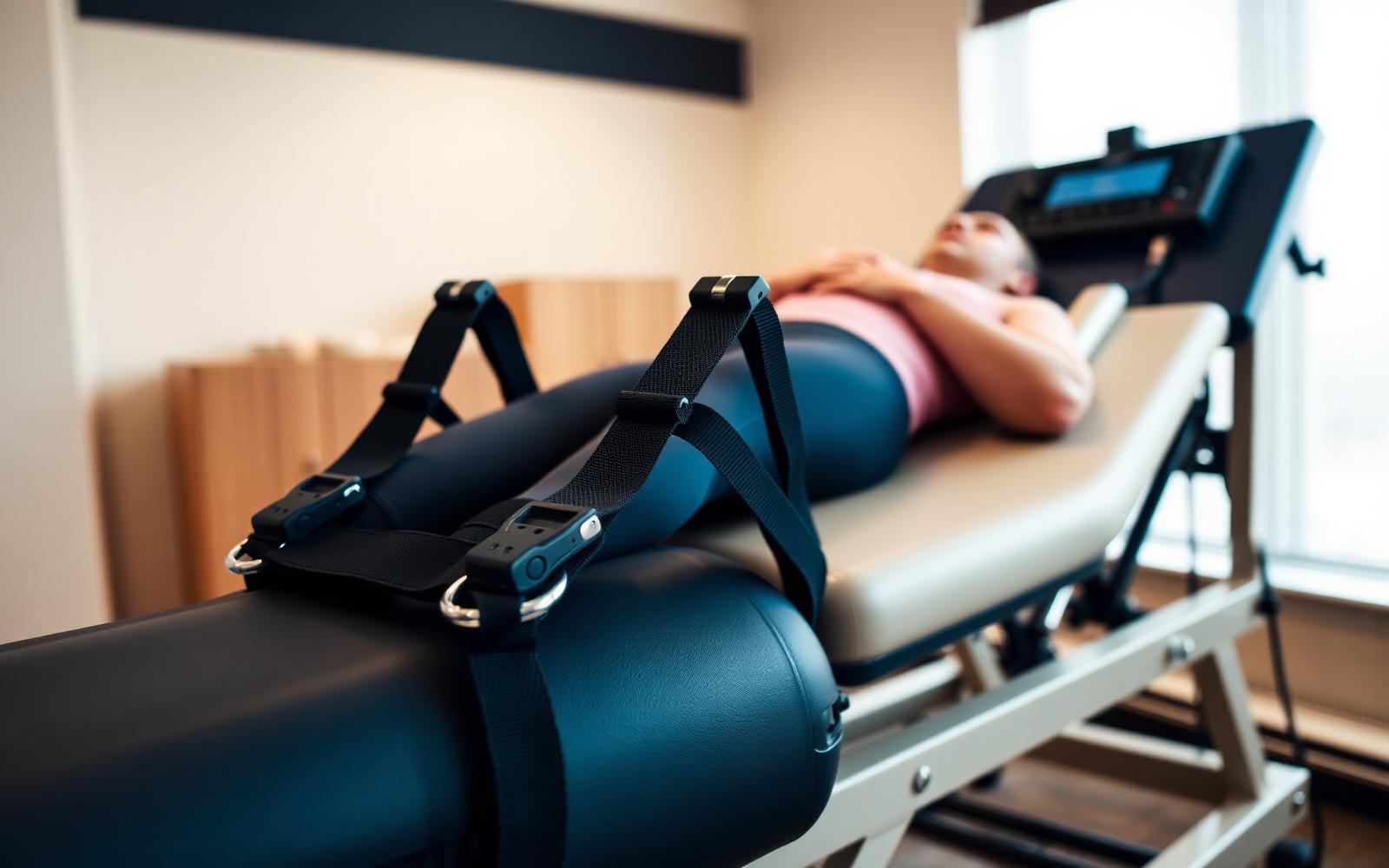
The table is split into two sections. Your upper body is secured against one, your pelvis against the other, and the powered section draws away in a slow, measured cycle rather than pulling steadily.
The console sets the angle, the amount of tension, and the length of each pull and release. Those numbers come from your examination and your response, and they are adjusted as the course of care goes on.
Who it may suit
Concerns this is commonly considered for
Suitability is decided after your consultation and examination, not from a list.
Disc-related low back pain
Bulging or herniated disc symptoms
Sciatica-type leg pain
Degenerative disc changes
Pain that worsens with sitting
Before treatment
What the examination looks at first
Before decompression is recommended, the exam looks at how your symptoms behave with position and load, whether pain travels into the leg, and how sensation, strength, and reflexes test out.
Findings that point to something other than a mechanical disc problem, or that suggest imaging or medical evaluation is needed first, change the recommendation. That is the point of examining before treating.
In the room
What a session involves
Positioning
You lie clothed on the table and a harness or support system is fitted so the traction is applied where it is intended.
The traction cycle
The table applies and releases gentle tension in a slow, repeating cycle. Most people describe it as a stretch, not a strain.
After the session
You get up under your own power. Sessions are often paired with other care in the office so muscles support the change.
Part of a plan
What this is usually combined with
Single therapies rarely carry a case on their own. This is how the pieces fit together.
Chiropractic adjusting
Restoring motion in the joints above and below the involved level so the segment is not working alone.
Soft tissue work
Massage therapy and needling reduce the muscle guarding that keeps reloading the disc between sessions.
Specific loading exercise
Simple, progressive movement so the change made on the table is supported by the muscles around it.
Activity guidance
Practical adjustments to sitting, lifting, and sleeping positions, which usually matter more than people expect.
Comfort
What it feels like
Most people find decompression comfortable and many describe it as relaxing. If anything increases your pain, say so during the session, the settings can be adjusted or the therapy stopped.
If you are uncomfortable with any part of the treatment, say so. Alternatives can be discussed, and nothing is applied that you have not agreed to.
Honest limits
When this is not the right choice
General reasons this may be set aside. Your own history and examination decide the answer.
Advanced osteoporosis or significant bone density loss
Spinal fractures, tumours, or infection
Certain surgical hardware and spinal fusions
Pregnancy
Abdominal aortic aneurysm or other relevant vascular findings
In the office
Where this happens
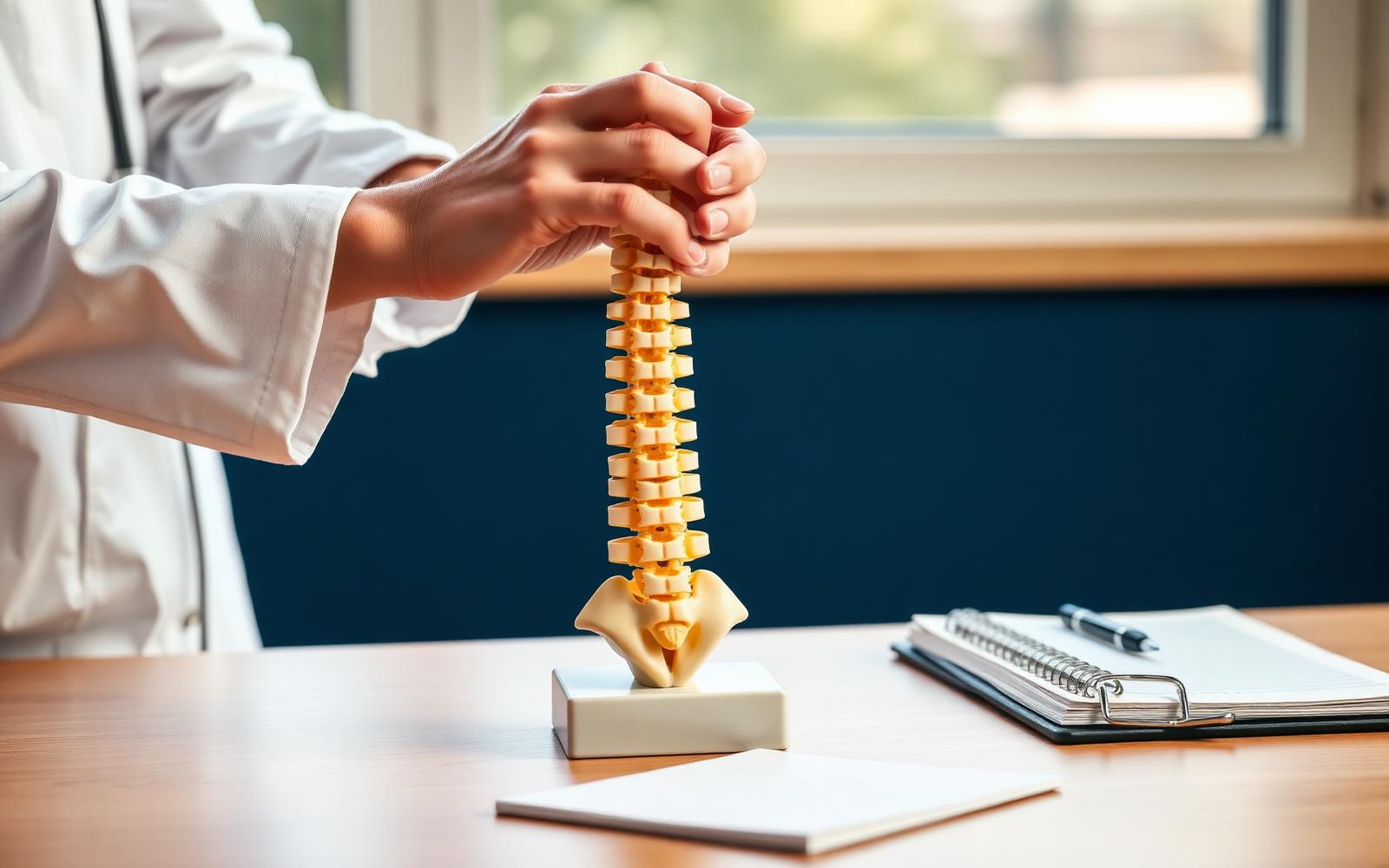
Findings are explained on a model before anything is applied.
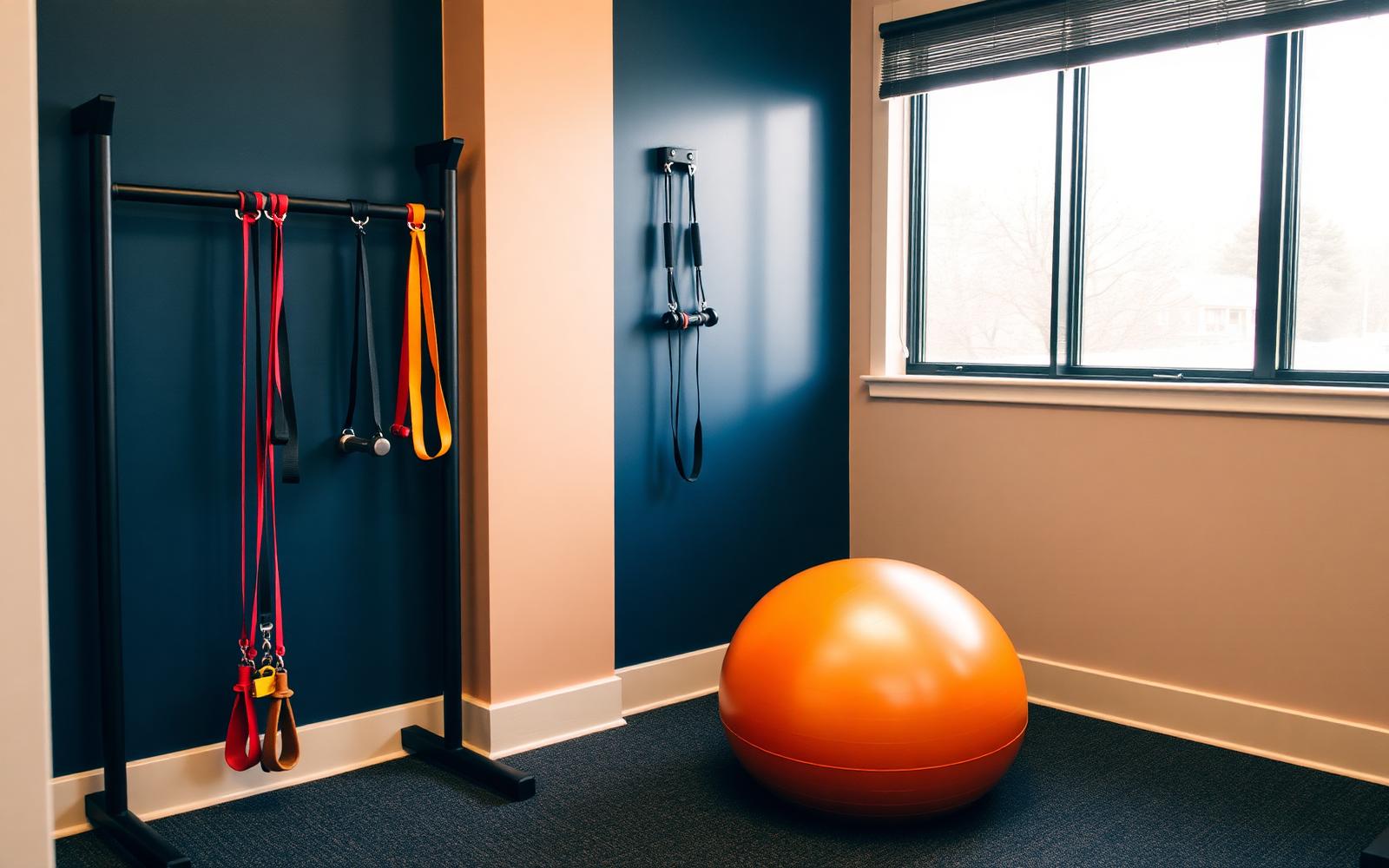
Loading exercise supports what the table achieves.
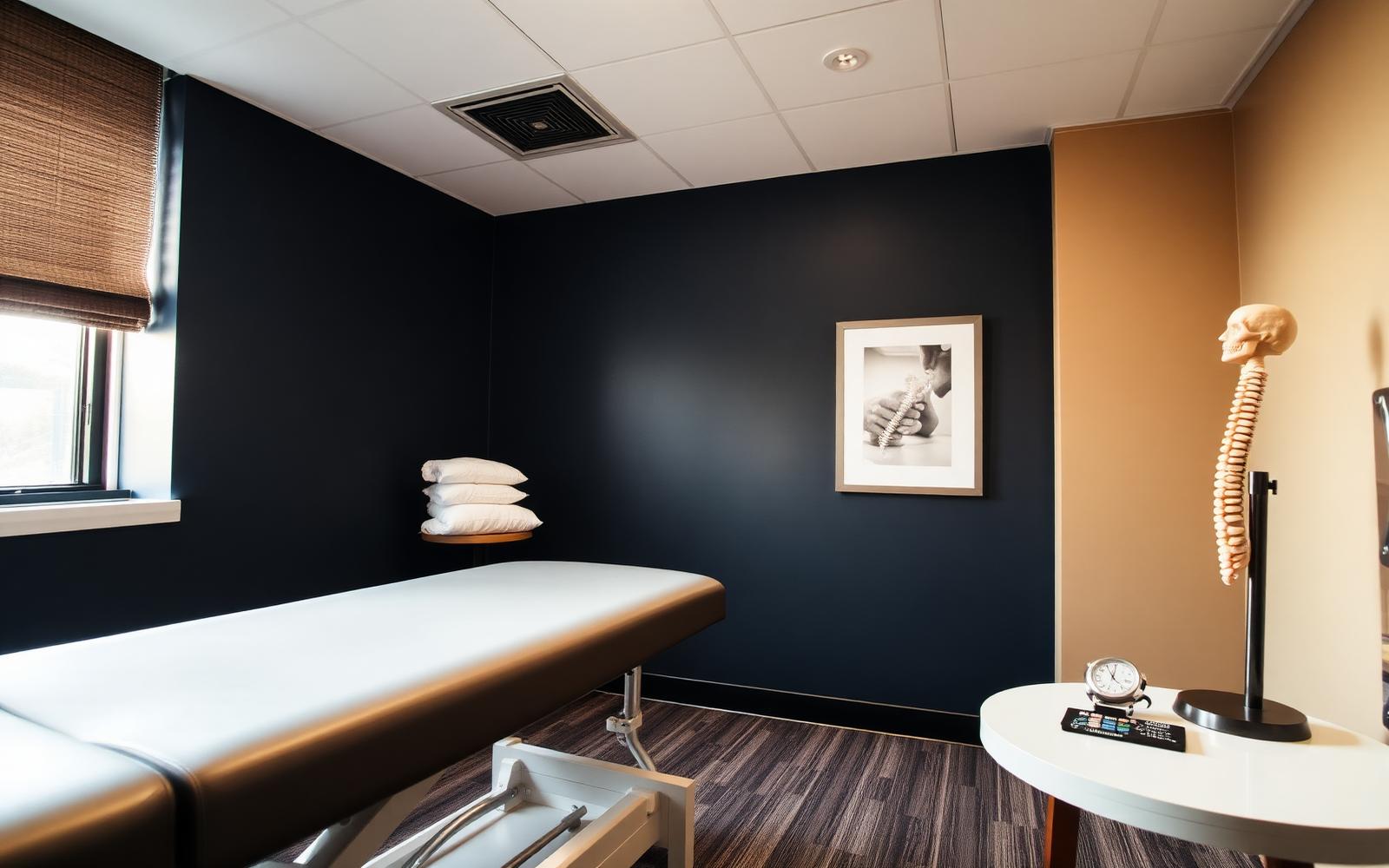
Decompression usually sits inside a wider plan of care.

Meet your chiropractor
Meet Dr. Dean Younker
Dr. Dean Younker took over Peak Performance in 1997 and has cared for patients in Grand Junction ever since. He earned a Bachelor of Science from the University of Northern Colorado and his Doctor of Chiropractic degree from Cleveland University in Kansas City. He is a member of the Colorado Chiropractic Association and the Grand Junction Chiropractor Association.
“Because no two patients are the same, here at Peak Performance, we take the time to listen to each patient. We then develop a personalized treatment plan. Our promise is to help you live your life better.”
FAQ
Common Questions
Is spinal decompression surgery?
No. It is a non-surgical therapy applied on a treatment table. Surgical decompression is a separate procedure performed by a surgeon.
How long does a session take?
Session length varies with your plan. Ask the office when you schedule so the right amount of time is reserved.
Is it right for everyone?
No. Certain fractures, implants, advanced osteoporosis, and other findings make decompression inappropriate. That is decided after your consultation and examination.
How many sessions will I need?
That depends on your findings and your response. Be cautious of any provider who promises a number before examining you.
Do I need to undress?
No. You stay in your own clothes. Comfortable clothing without heavy belts or buckles makes the harness easier to fit.
Can I drive myself home afterward?
Yes. There is no sedation and no recovery period, so you can get on with your day.
What if it does not help?
The plan includes a review point. If your response is not what was expected, the approach is changed or a different route is recommended rather than repeating sessions indefinitely.
Related Pages
Medical disclaimer
This page is educational and is not a substitute for professional medical advice, diagnosis, or treatment. Results vary from person to person and no outcome is guaranteed. Always speak with a qualified provider about your own situation, and call 911 for a medical emergency.
Next step
You Don't Have to Keep Planning Your Life Around Pain.
If pain is affecting the way you sleep, work, exercise, travel, or spend time with the people you love, it is worth finding out what is going on. Let's start with a conversation.
Engage With Your Life Again.