Services
Cold Laser Therapy in Grand Junction, CO
A painless, drug-free therapy that applies light energy to irritated tissue, used here as one part of a plan, never as a stand-alone promise.
Short answer
A painless, drug-free therapy that applies light energy to irritated tissue, used here as one part of a plan, never as a stand-alone promise.
Overview
What laser therapy is
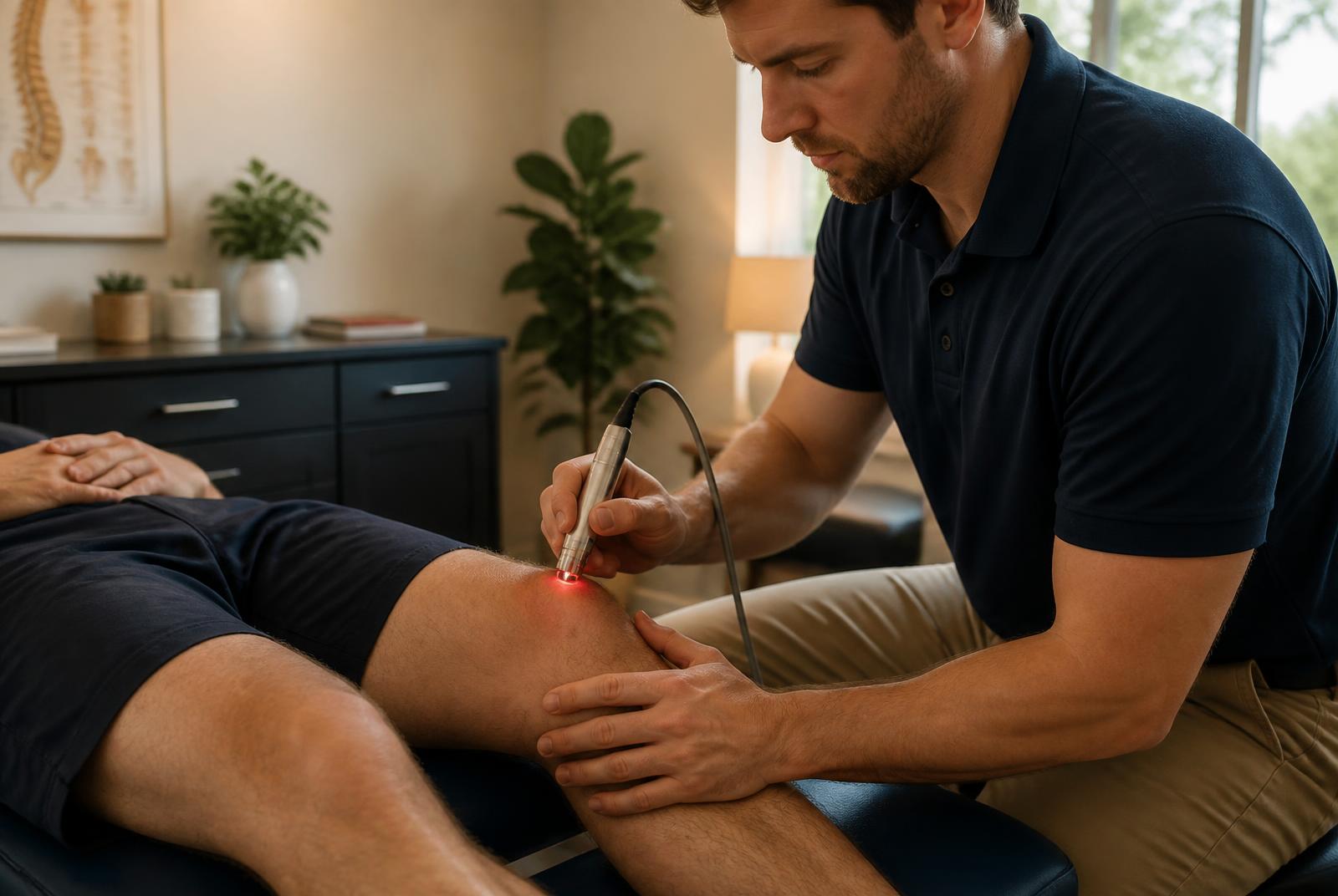
Low-level laser therapy, sometimes called cold laser, delivers light energy into tissue at intensities that produce no heat damage. There is no incision, no medication, and no recovery time afterward.
It is used in this office for joint discomfort, tendon irritation, and some nerve-related symptoms, alongside adjusting, soft tissue work, and specific loading, not instead of them.
The word cold simply distinguishes it from surgical lasers that cut and cauterise. At these intensities the aim is to influence cell activity in the treated area rather than to produce heat, which is why the sensation is mild at most.
It is comfortable enough to use on areas that will not tolerate pressure, which is often the practical reason it is chosen: an irritated joint or a sensitive foot can be treated on a day when hands-on work would be too much.
Type of care
Non-thermal light therapy. Drug-free and painless.
Typical session
Several minutes per region. No downtime afterward.
Usually paired with
Adjusting, soft tissue work, and specific loading exercise.
Comfort
Suitable for sensitive areas that will not tolerate pressure.
The equipment
The handpiece and how it is used
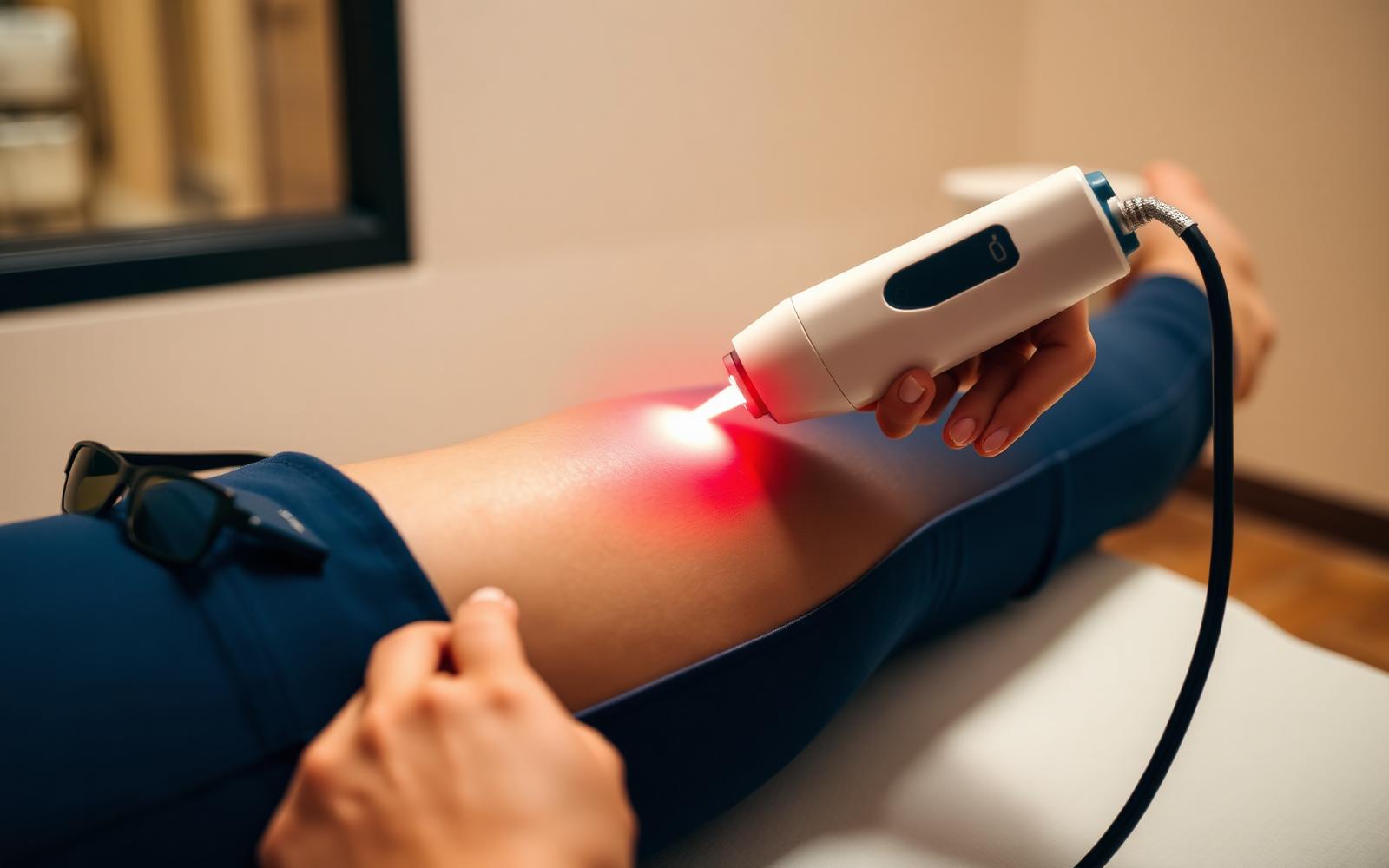
The console sets output and treatment time, and the handpiece is held in contact with, or just above, the skin. It is moved slowly and deliberately so the area receives an even dose rather than one hot spot.
Protective eyewear is worn by both of you, and treatment settings and duration are matched to the depth and size of the area being treated.
Who it may suit
Concerns this is commonly considered for
Suitability is decided after your consultation and examination, not from a list.
Arthritic joint discomfort
Tendon and soft tissue irritation
Neuropathy symptoms in the hands or feet
Sports and training-related soreness
Long-standing pain being managed conservatively
Before treatment
Choosing laser over another option
Laser is chosen when the target tissue is irritated, sensitive, or in a spot that does not tolerate direct pressure, and when the examination points to a problem that conservative care can influence.
Where the picture is a stubborn tendon that needs a stronger mechanical stimulus, shockwave is often the better choice, and that is explained rather than defaulted.
In the room
What a session involves
Setup
The area is exposed and protective eyewear is provided. You stay clothed apart from the region being treated.
Application
The handpiece is moved slowly over the area for several minutes per region while you sit or lie comfortably.
Afterward
There is no downtime. You return to your day, usually with activity guidance for the hours that follow.
Part of a plan
What this is usually combined with
Single therapies rarely carry a case on their own. This is how the pieces fit together.
Chiropractic adjusting
Restoring motion in the joints that are changing how the area is loaded.
Shockwave therapy
For long-standing tendon problems that need a firmer mechanical stimulus.
Massage and needling
Reducing the surrounding muscle tension that keeps re-irritating the area.
Loading exercise
Graded work so improvements have something to hold onto.
Comfort
What it feels like
Most people feel gentle warmth and nothing more. There is no pinching, pressure, or sting, which makes it a comfortable option for sensitive areas.
If you are uncomfortable with any part of the treatment, say so. Alternatives can be discussed, and nothing is applied that you have not agreed to.
Honest limits
When this is not the right choice
General reasons this may be set aside. Your own history and examination decide the answer.
Treatment directly over a known or suspected tumour
Treatment over the abdomen during pregnancy
Direct exposure to the eyes, which is why eyewear is worn
Areas of active bleeding or acute infection
In the office
Where this happens
Laser sits inside a plan, not in place of one.
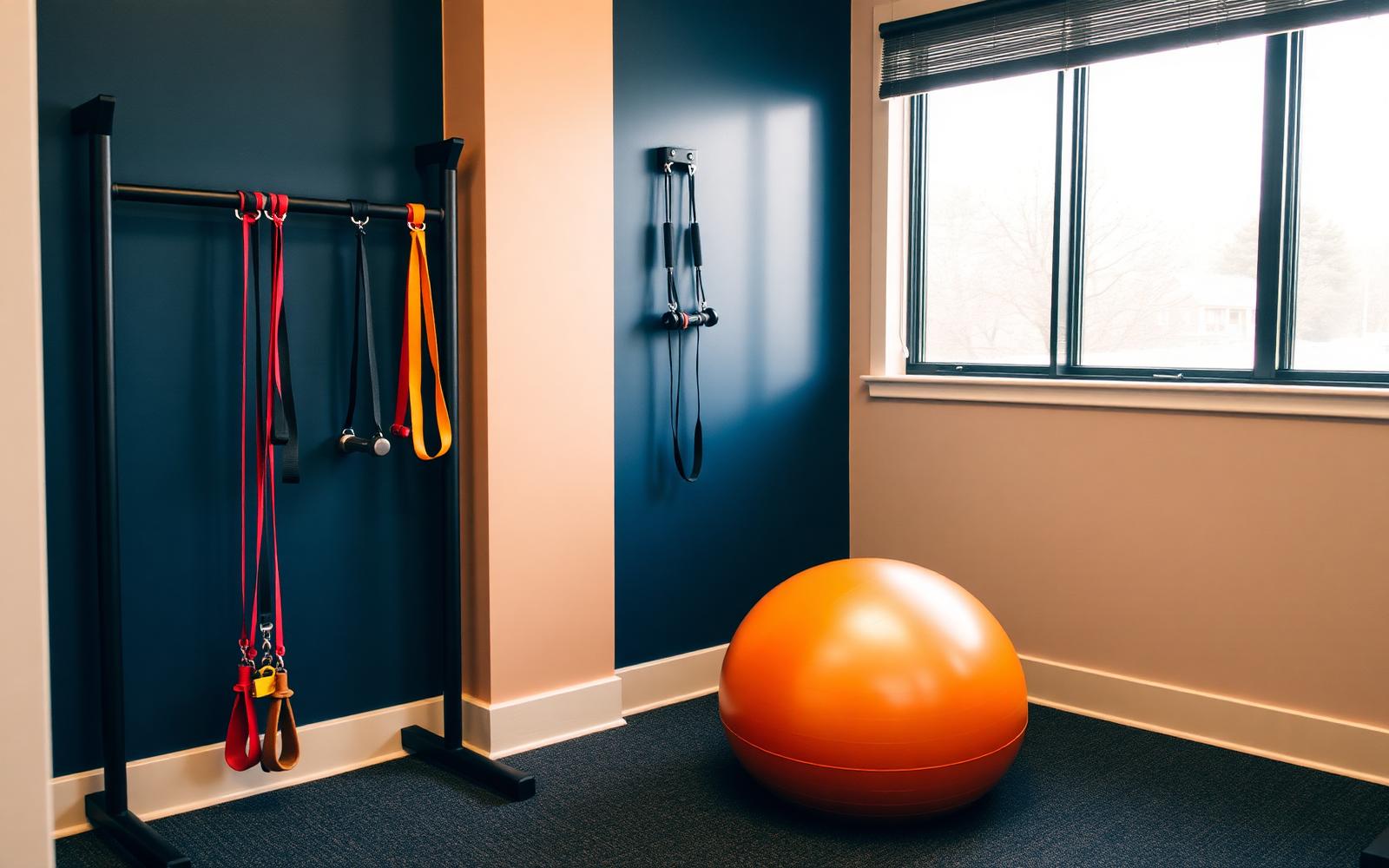
Loading work is what makes comfort gains last.
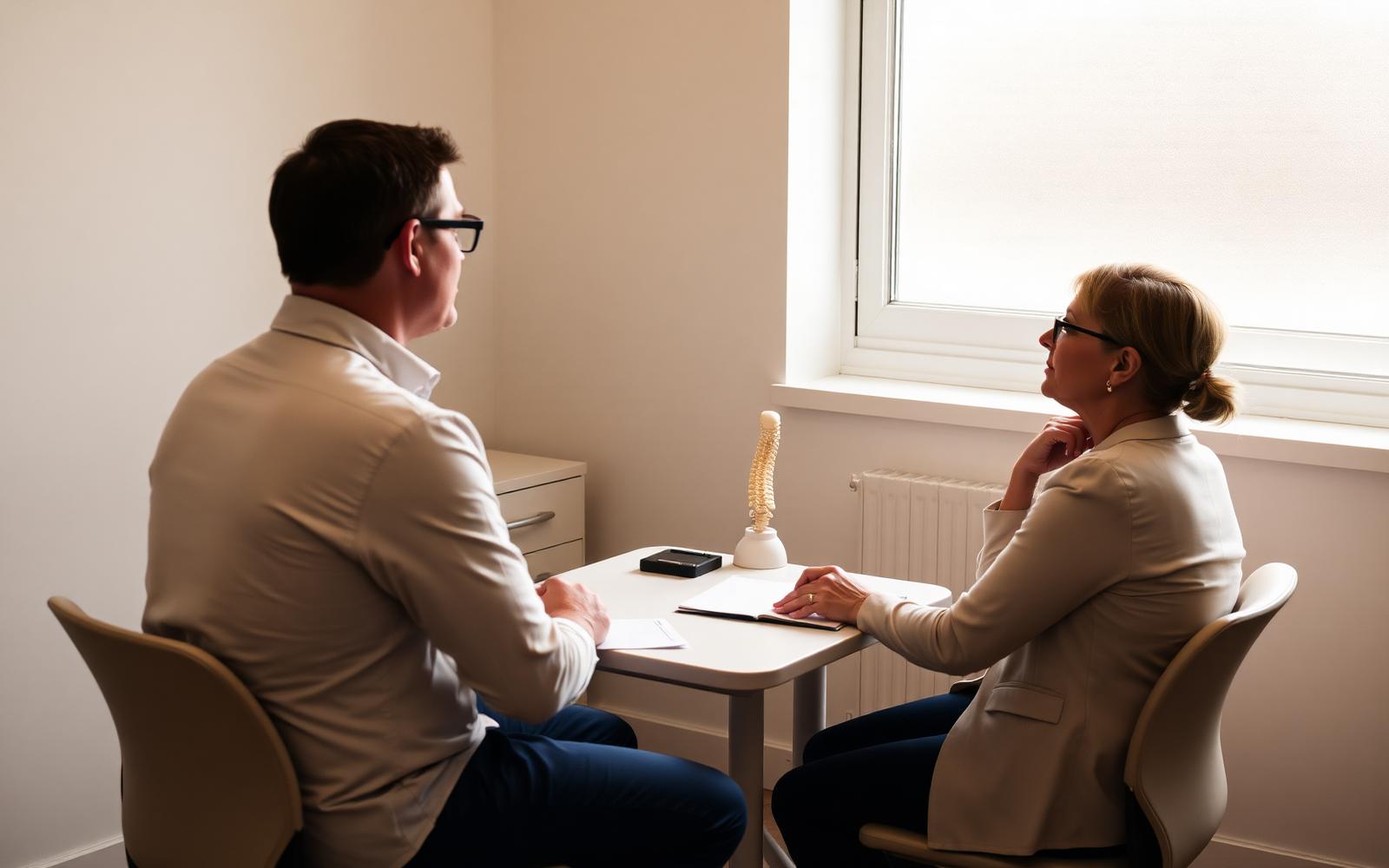
Why laser was chosen is explained before it is used.

Meet your chiropractor
Meet Dr. Dean Younker
Dr. Dean Younker took over Peak Performance in 1997 and has cared for patients in Grand Junction ever since. He earned a Bachelor of Science from the University of Northern Colorado and his Doctor of Chiropractic degree from Cleveland University in Kansas City. He is a member of the Colorado Chiropractic Association and the Grand Junction Chiropractor Association.
“Because no two patients are the same, here at Peak Performance, we take the time to listen to each patient. We then develop a personalized treatment plan. Our promise is to help you live your life better.”
FAQ
Common Questions
How many sessions will I need?
That depends on the tissue and your response. A number is discussed after your examination, with a review point rather than an open-ended plan.
Is laser therapy safe?
It is non-thermal and well tolerated. Eyewear is used, and it is avoided over certain areas, which is why history and examination come first.
Is it the same as shockwave?
No. Shockwave uses mechanical pressure waves and is typically chosen for stubborn tendon problems. Laser uses light energy and is more comfortable.
Does it hurt at all?
No. Most people feel gentle warmth or nothing at all, which is why it suits sensitive areas.
Can I drive and work afterward?
Yes. There is no downtime and no restriction on normal activity unless you are given specific guidance.
Will it work on its own?
It is used as part of a plan. On its own it rarely resolves a problem that has a mechanical cause still in place.
Medical disclaimer
This page is educational and is not a substitute for professional medical advice, diagnosis, or treatment. Results vary from person to person and no outcome is guaranteed. Always speak with a qualified provider about your own situation, and call 911 for a medical emergency.
Next step
You Don't Have to Keep Planning Your Life Around Pain.
If pain is affecting the way you sleep, work, exercise, travel, or spend time with the people you love, it is worth finding out what is going on. Let's start with a conversation.
Engage With Your Life Again.